Anhui Jwell Precision Mold Co., Ltd.
Anhui Jwell Precision Mold Co., Ltd.
one
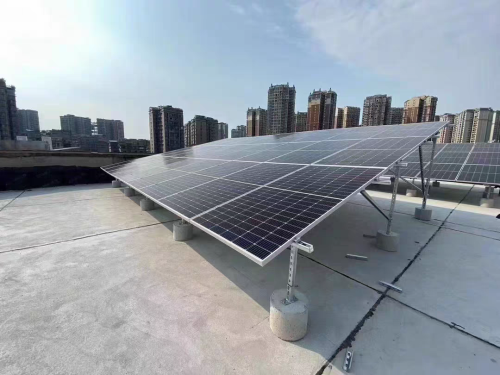
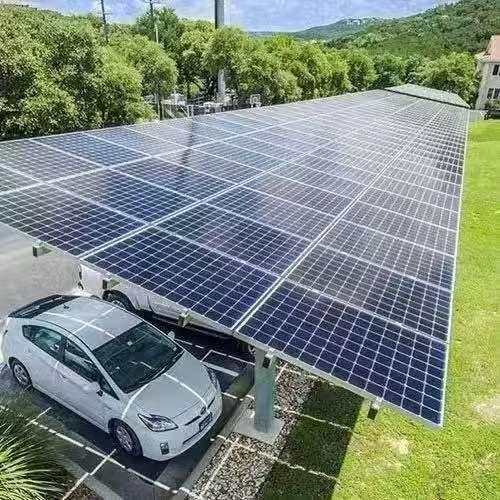
Solar photovoltaic power generation is the process of converting photons in solar radiation into electricity through the photovoltaic effect. A solar photovoltaic power generation system mainly consists of solar panels and inverters. Among these, solar panels are the core component: they are composed of multiple solar cells, each typically made from silicon material, owing to silicon's excellent semiconductor properties and high light absorption rate.
two
Each solar photovoltaic panel must be encapsulated to ensure the solar cells are isolated from the external environment, particularly moisture and oxygen, while maintaining excellent light transmittance and electrical insulation. Encapsulation failures, such as delamination, yellowing, or water ingress, can directly lead to significant power degradation or even premature failure of the module. Therefore, the performance of the encapsulation film, located on both the top and bottom layers of the solar cells, directly determines the lifespan, reliability, and power generation efficiency of the photovoltaic module.
three
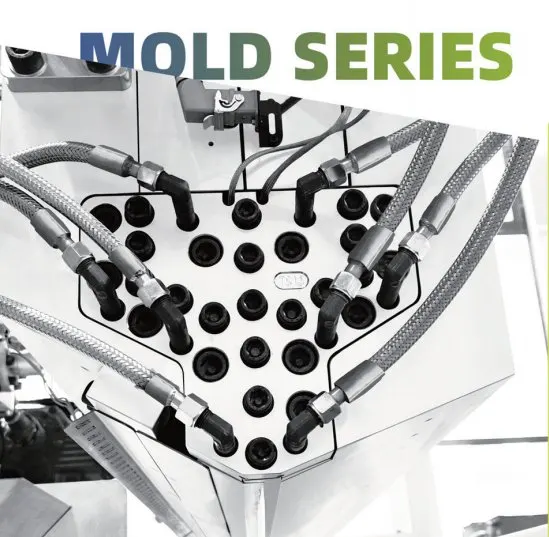
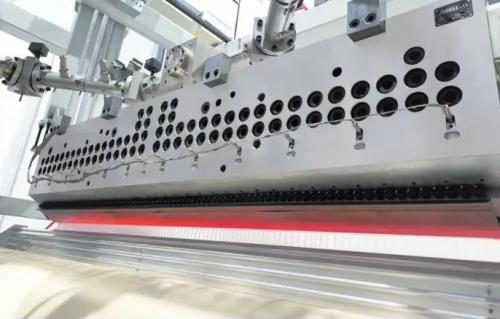
The performance of photovoltaic encapsulation film dies plays a decisive role in determining the quality of the film. High-quality EVA/POE encapsulation films exhibit excellent light transmittance, barrier properties, impact resistance, as well as outstanding photochemical performance and stability. The EVA/POE photovoltaic encapsulation film dies produced by Anhui Jwell Precision Mold feature precision fluid dynamics design, tailored to the extrusion of polymer materials, particularly optimized for the narrow processing window of POE films in terms of material and process. Through deeply simulated and optimized multi-manifold or coat-hanger flow channel systems based on material rheological properties, these dies achieve uniform melt extrusion under relatively low-temperature and high-pressure conditions. This design ensures that the polymer melt attains highly consistent pressure and flow velocity distribution across the entire web width before reaching the die lip, thereby reducing defects such as material pre-crosslinking or thermal degradation caused by localized shear heating or temperature non-uniformity. Further enhanced by mirror-grade polishing and specialized coating treatments on the inner walls of the flow channels, melt flow resistance and wall shear stress are significantly minimized, preventing melt fracture phenomena. The resulting film exhibits high optical uniformity, free of晶点, streaks, orgel particles, ensuring the structural integrity of the polymer and the inherent purity of the film from the very stage of formation. This provides a solid physical foundation for manufacturing top-tier encapsulation films with high light transmittance and superior barrier performance.
four

Wechat account