
Anhui Jwell Precision Mold Co., Ltd.
Anhui Jwell Precision Mold Co., Ltd.
1 Hollow grid panels, typically referring to PP (polypropylene) or PE (polyethylene) plastic hollow building templates, are lightweight, high-strength panels produced through co-extrusion technology. Their core feature lies in an internally designed, uniformly distributed three-dimensional hollow grid structure. This ingenious biomimetic design ensures overall strength while achieving maximum weight reduction, making them a quintessential new building material under the “plastic-substituting-wood” concept.
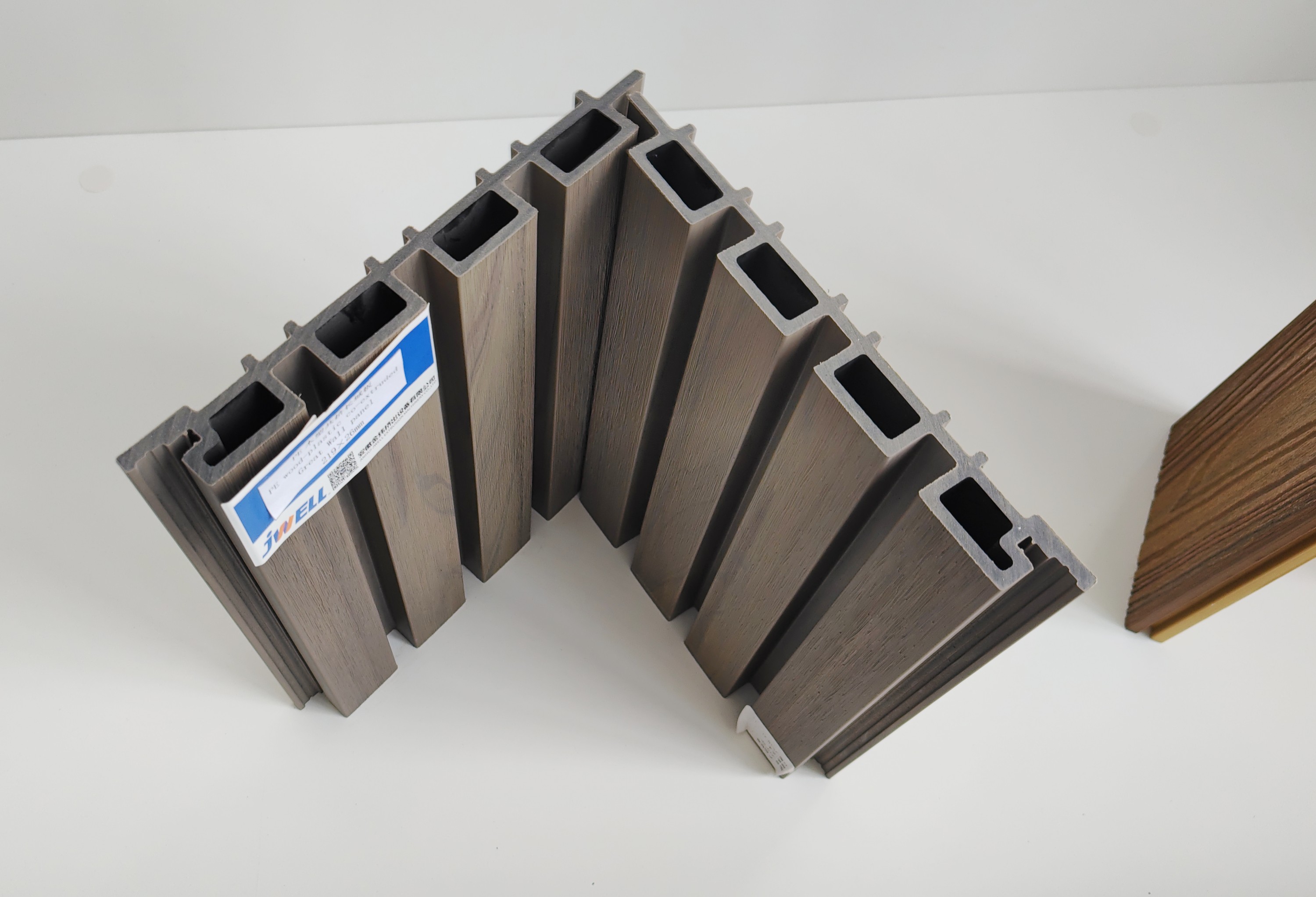
2 The unique physical structure of hollow lattice panels delivers comprehensive performance advantages. Their hollow construction significantly reduces weight—60% to 70% lighter than traditional solid panels—greatly facilitating handling and installation. The internal three-dimensional grid, resembling densely packed I-beams, provides exceptional bending and compressive strength, reliably withstanding the impact and pressure of concrete pouring. Simultaneously, the plastic material endows it with water resistance, corrosion resistance, and mold resistance, allowing for reuse dozens of times with high turnover rates and significant overall cost-effectiveness. Furthermore, its smooth surface facilitates easy demolding and enables processing such as sawing, nailing, and drilling, ensuring convenient and efficient construction.
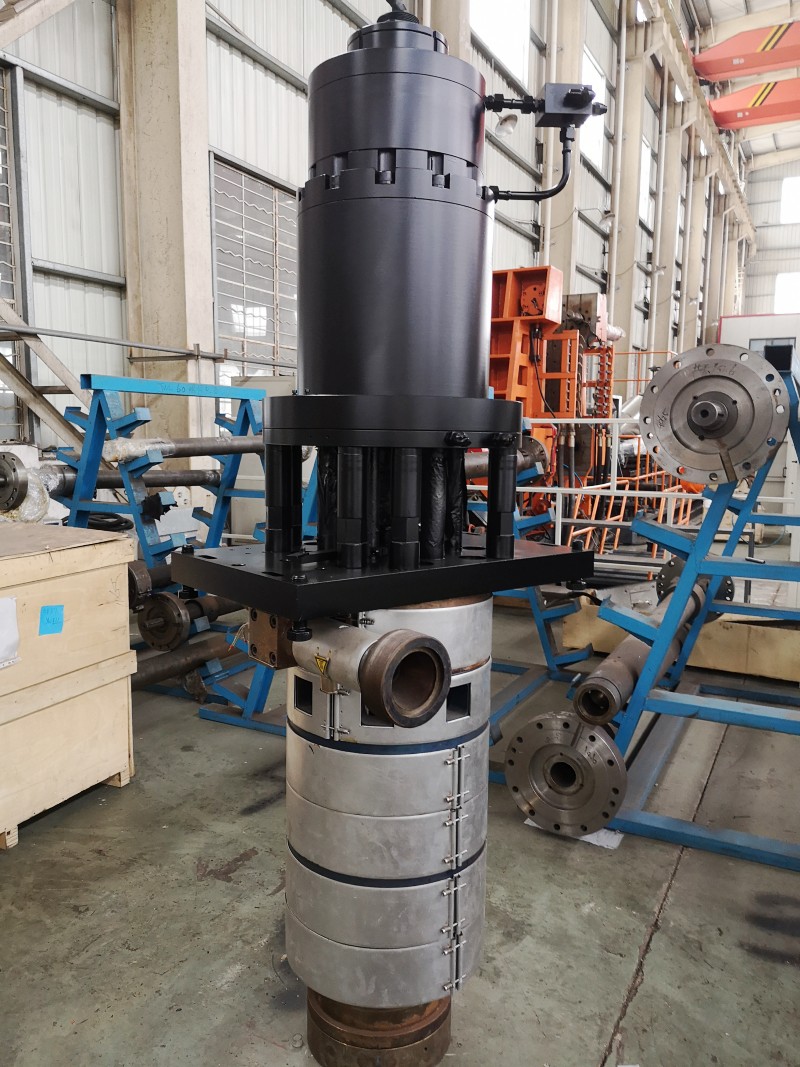
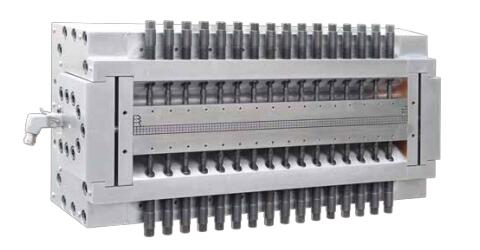
3 Applications of Hollow Grid Panels. With their outstanding comprehensive performance, these panels have become the material of choice in modern architectural decoration, industrial daylighting and thermal insulation, as well as high-speed sound barriers. Their combination of weather resistance, UV protection, high impact resistance, and excellent light transmission is largely attributable to the sophisticated design of Anhui Jiewei's core production equipment—specialized co-extrusion molds. This mold integrates a distributor for uniform UV coating application, enabling precise and even lamination of the anti-UV protective layer onto the sheet surface during production. This ensures long-term weather resistance from the source. Equipped with upper and lower elastic micro-adjustment mold lips, it allows for precise regulation of product wall thickness, controlling deviations within minimal ranges and guaranteeing high consistency in product quality. By replacing the mold's internal structure, it flexibly produces universal polycarbonate sheets ranging from 4mm to 25mm thick, as well as more complex multi-layer reinforced panels like H-type and X-type, with thicknesses exceeding 36mm. This fully meets diverse demanding design requirements, from standard daylighting to high-strength structural covering applications.
Meanwhile, the co-extrusion mold technology specifically designed for hollow lattice panels has also given rise to high-performance PP and PE hollow lattice panels.
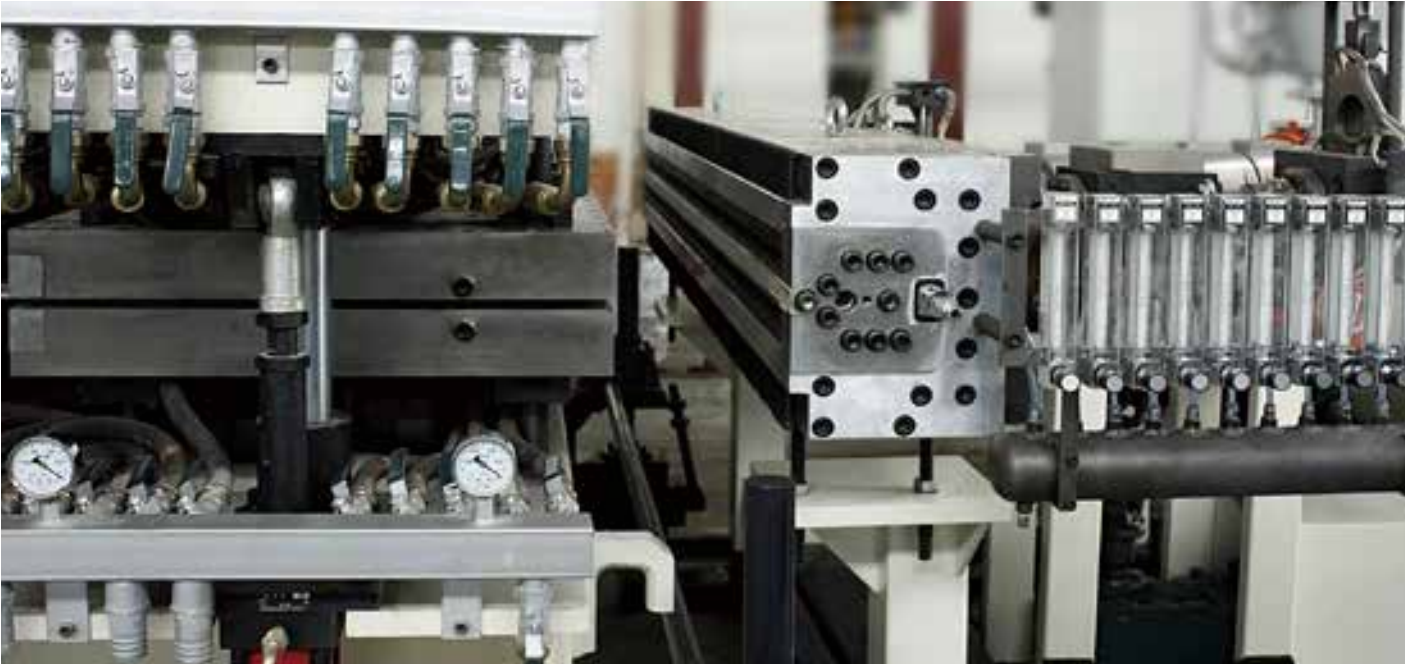
Anhui Jwell Precision Molds utilizes precision runner design to produce panels featuring an internal three-dimensional honeycomb grid structure, achieving a perfect balance of lightweight and high strength. The resulting hollow grid panels offer significant advantages including light weight, high strength, moisture resistance, and corrosion resistance. Their applications have successfully expanded from traditional construction formwork into emerging fields such as logistics pallets, large-scale lightbox advertising bases, exhibition partitions, and display backdrops. These panels typically range in thickness from 2 to 12mm, with production widths flexibly adjustable between 1200mm and 2200mm. Their excellent machinability allows for convenient cutting and secondary processing according to end-user requirements, demonstrating broad market application prospects.
Overall, hollow grid panels represent a significant innovation in modern building materials. They not only embody the successful implementation of the green concept of “replacing wood and steel with plastic,” but also exemplify how polymer materials achieve performance breakthroughs through precision structural design. The product's performance stems from the precision of its hollow grid panel molds and forming processes. Specialized honeycomb panel molds, through precise flow channel design, UV co-extrusion layer technology, and micron-level wall thickness control, endow the panels with a uniform hollow grid structure, enduring weather resistance, and stable mechanical properties from the outset. This enables the panels to simultaneously achieve lightweight construction, high strength, and outstanding durability, addressing numerous pain points of traditional materials. Anhui Jwell's advancements in hollow grid panel molds and forming processes have significantly expanded the application boundaries of plastic panels in the market.
Therefore, the core driving force behind the development of hollow lattice panels lies in continuous mold innovation and process advancement. It is not merely a single product but a platform-based solution, signaling that future building materials will continue to evolve deeply toward lightweighting, functional integration, and green production. Its market prospects are exceptionally broad.

Wechat account

