
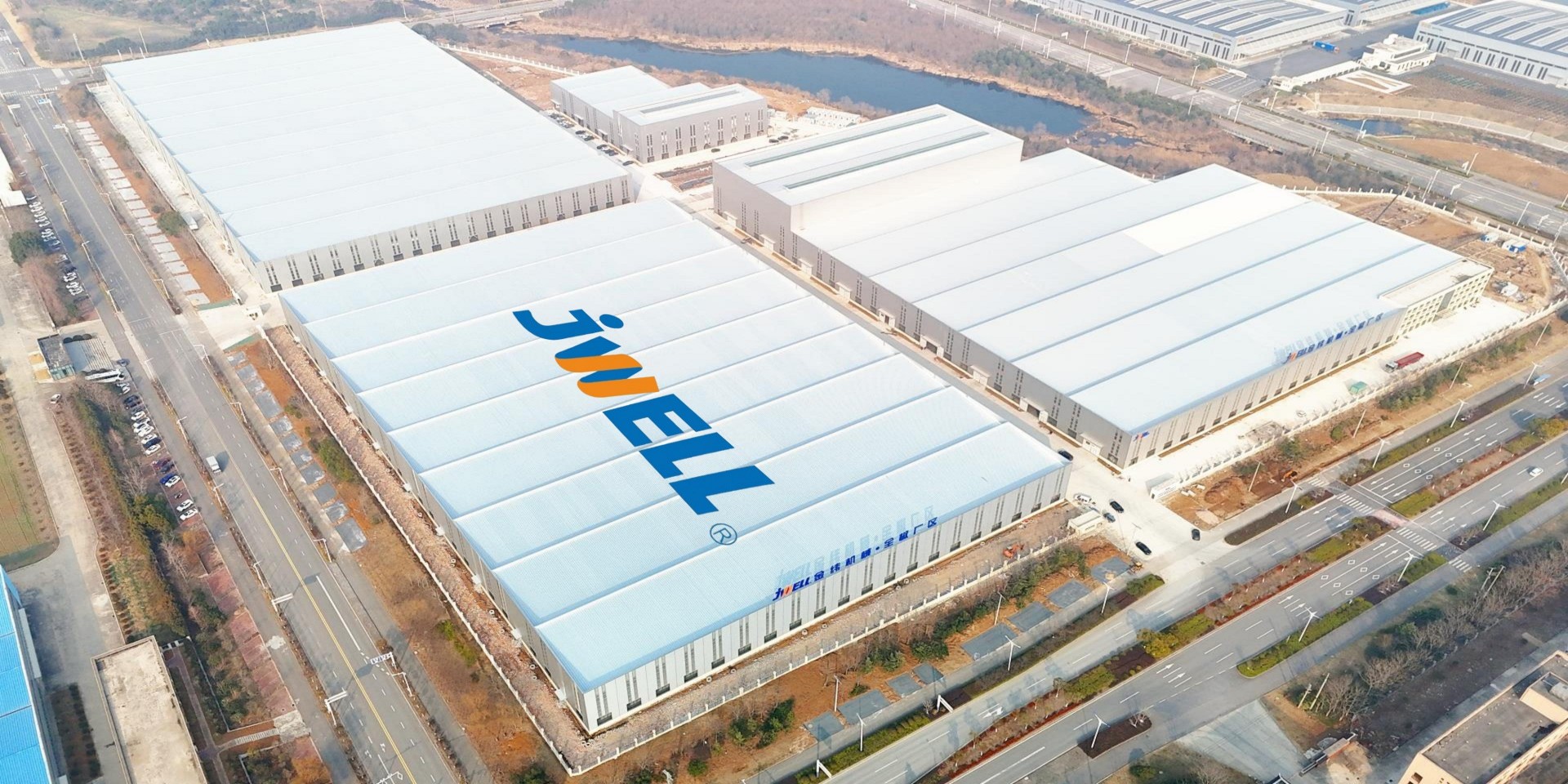
Anhui Jwell Precision Mold Co., Ltd.
Anhui Jwell Precision Mold Co., Ltd.
| prepreg tape molds | |||
| Applications | automotive sector | transportation | Sports equipment and aerospace |
| Advantages | Recoverable and repairable | High toughness and impact resistanc | Excellent machining efficiency and mass production adaptability |
One
Continuous Fiber Reinforced Thermoplastic Composites (CFRTP-UP) represent an advanced high-performance material composed of a thermoplastic matrix, such as nylon, polypropylene, or PEEK, combined with continuous, uninterrupted long fiber reinforcement. This material integrates the strength and stiffness of metals with the lightweight characteristics of plastics. Its core feature lies in the thermoplastic matrix's ability to soften and reshape upon heating, enabling processing flexibility and potential recyclability far beyond that of traditional thermoset composites.
Two
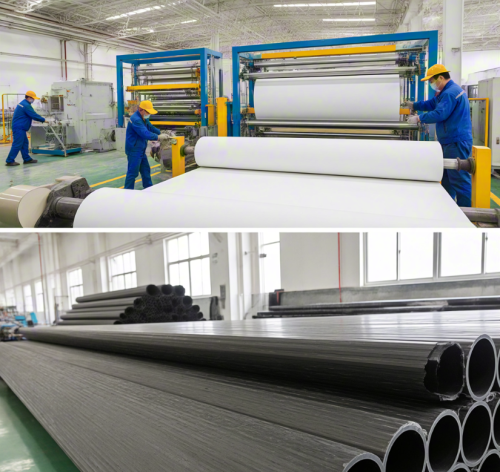
Applications. In the automotive sector, continuous fiber-reinforced thermoplastic composites have advanced from decorative components to core structural parts such as battery pack housings and seat frames, achieving significant weight reduction through integrated molding while enhancing safety and production efficiency. In energy transportation, filament-wound pipes made from CFRTP serve as the "tough arteries" for deep-sea oil extraction and hydrogen energy transport, owing to their extremely light weight and exceptional pressure resistance and corrosion resistance. For sports equipment, it offers outstanding specific strength and specific stiffness, resulting in lighter, stronger, and tougher high-performance gear.
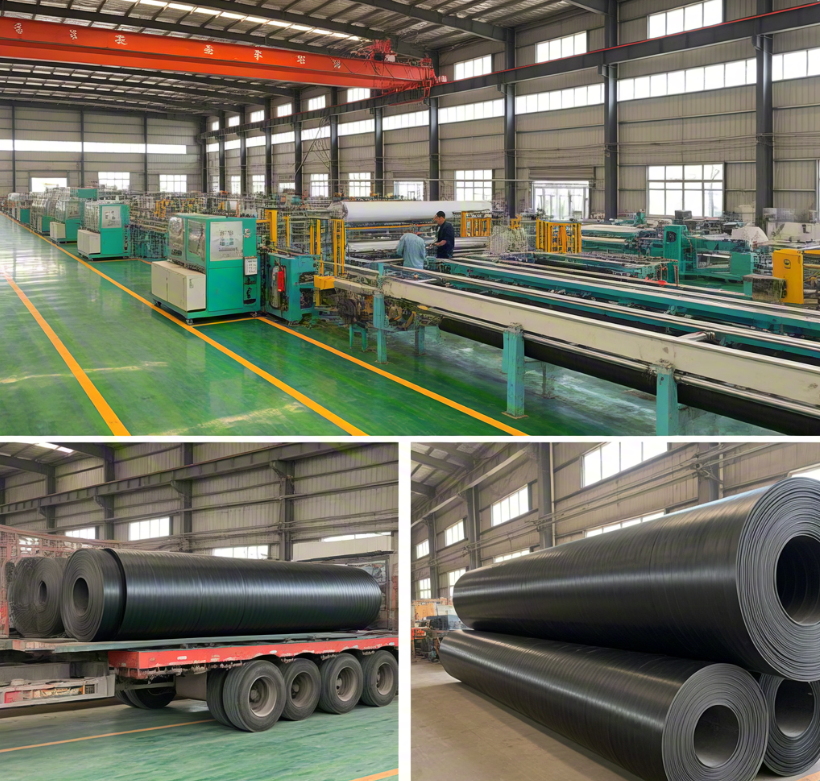
In the home and construction industry, this material transforms into weather-resistant, maintenance-free outdoor building materials, with a service life far exceeding that of traditional options. In transportation and logistics, it directly reduces operational energy consumption by lowering the dead weight of equipment such as aviation containers and truck bodies. In the aerospace sector, it is not only used to manufacture safer lightweight interiors but also, leveraging its high strength and lightweight properties, is applied to various aircraft structures, achieving weight reductions of over 30% while enhancing assembly efficiency.
Tree
Advantages. Firstly, their recyclability and repairability align with the trends of the circular economy; thermoplastic resins can theoretically be remelted and reshaped an almost infinite number of times, and finished products can be repaired through thermal welding. Secondly, they possess high toughness and impact resistance, effectively withstanding repeated impacts and fatigue loads, offering high damage tolerance. Furthermore, they enable high processing efficiency and mass production adaptability, with short molding cycles that eliminate the need to wait for resin chemical curing. This facilitates integration with rapid, automated production processes. Additionally, the raw material prepregs do not require low-temperature storage, simplifying supply chain management.
Four
Production Challenges and Technical Hurdles. The primary bottleneck is the difficulty of fiber impregnation; molten thermoplastic resins have extremely high viscosity, making it challenging to uniformly and thoroughly wet out dense fiber bundles. Improper handling of this process can severely compromise the final performance. Secondly, raw material and manufacturing costs are high due to the difficulty of resin melt impregnation, which requires thorough wetting to ensure uniform dispersion of the fiber bundles. Furthermore, the high-temperature composite process presents challenges in production stability and control complexity. Additionally, the long-term heat resistance of some common thermoplastics still lags behind that of top-tier thermoset materials.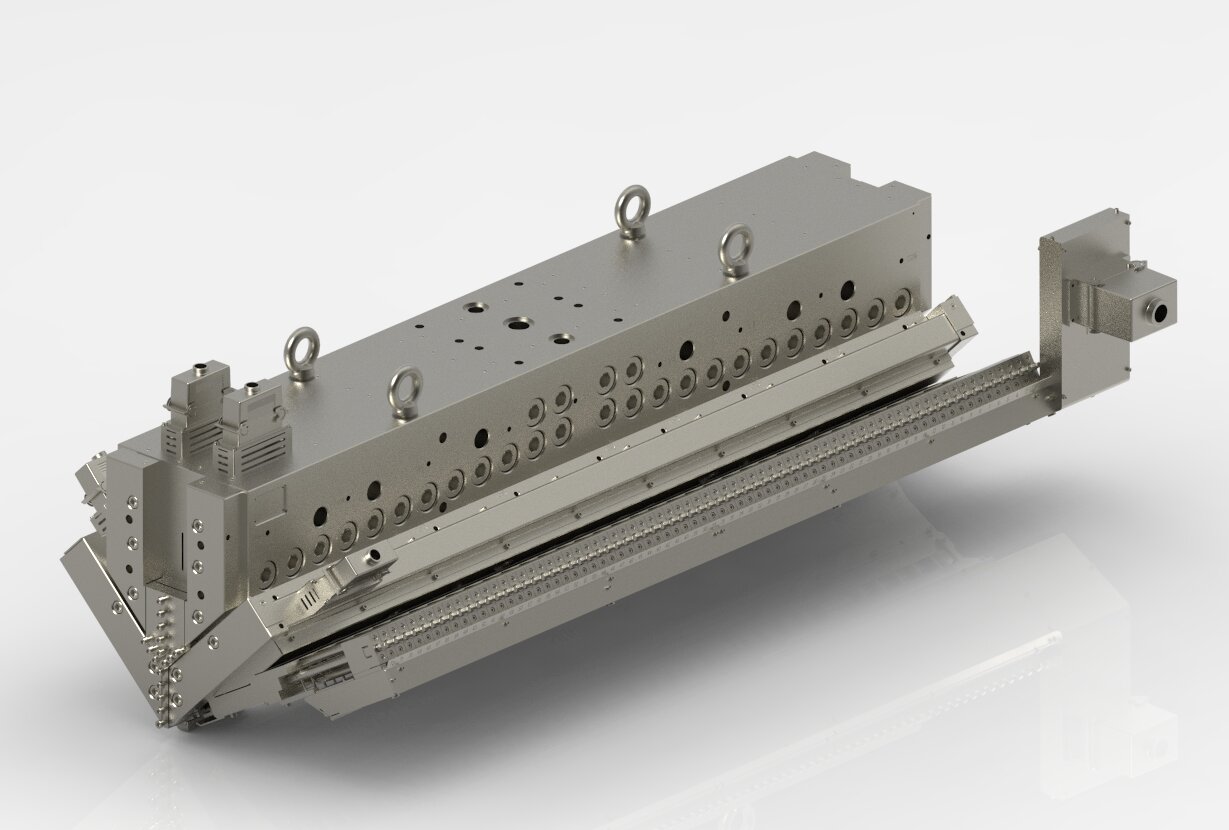
Five
Anhui Jwell's Precision Mold has achieved a systematic breakthrough in addressing the production difficulties and technical challenges of continuous fiber-reinforced thermoplastic composites through its dual-channel mold structure design and material optimization for prepreg tapes.
1 The flat die head adopts a coat-hanger manifold design. The shape of its flow channel is precisely calculated, allowing the resin melt to spread toward both ends along specifically curved channels, ensuring that when the melt reaches the entire width of the die lip, the pressure and flow rate are perfectly uniform. This guarantees extreme uniformity in the thickness and distribution of the resin layer from the very first process step, providing an ideal foundation for the subsequent uniform impregnation of the fibers. It directly enhances the consistency and stability of the prepreg tape quality, reducing performance fluctuations and waste caused by uneven raw materials.
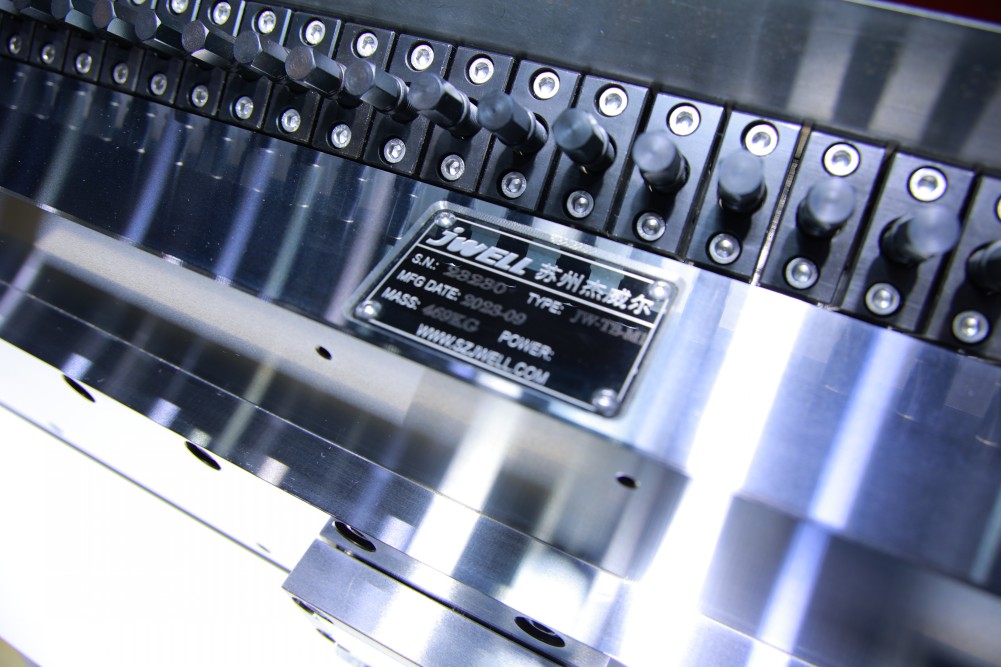
2 In the impregnation section, a wave-shaped (or toothed) dual-channel flow structure is adopted: the wave-shaped geometry applies controlled shear forces to the melt, effectively reducing the apparent viscosity of the resin and enhancing its fluidity for better penetration into the fiber bundles. The dual-channel design allows for the simultaneous and independent production of two prepreg tapes within a single mold, achieving a substantial increase in production efficiency while significantly reducing energy consumption per unit and equipment floor space.
3.
Special hardening treatment is applied to critical contact surfaces such as the mold cavity and flow channels: This measure directly addresses the challenges posed by high temperature, high pressure, and fiber abrasion. It significantly extends the mold's service life and maintenance intervals, ensuring the long-term precision and stability of flow channel dimensions during production. This prevents deviations in prepreg tape thickness and width caused by mold wear, safeguarding product consistency and production continuity from the equipment perspective, thereby lowering the cost per unit.
In Summary:Continuous fiber-reinforced thermoplastic composites (CFRTP) offer advantages such as lightweight, high strength, recyclability, and high processing efficiency, finding widespread application in automotive, aerospace, sports equipment, and other fields. However, their production faces numerous challenges. Anhui Jwell's prepreg tape mold overcomes these bottlenecks through a hanger-style runner design, a wave-shaped impregnation structure, and surface hardening treatment of the runners, ensuring stable production with high quality, high efficiency, and low cost.

Wechat account

